


***
*****

Jon Dowling: Financial News, RV Updates, and the Great Wealth Transfer as of 23rd October 2026
Views: 159The global economic and geopolitical landscape is experiencing a period of profound transformation, touching everything from currency markets to international relations. In the latest weekly RV report from October 23, 2026, currency and market analysts provided a comprehensive update on critical developments concerning Iraq, Iran, precious metals, and broader financial shifts. This detailed broadcast serves as a vital resource for anyone trying to understand the intricate connections between Middle Eastern politics, currency valuation, and smart asset management in today’s unpredictable economic environment. A central focus of the recent report centers on significant political reforms and developments within Iraq, spearheaded...
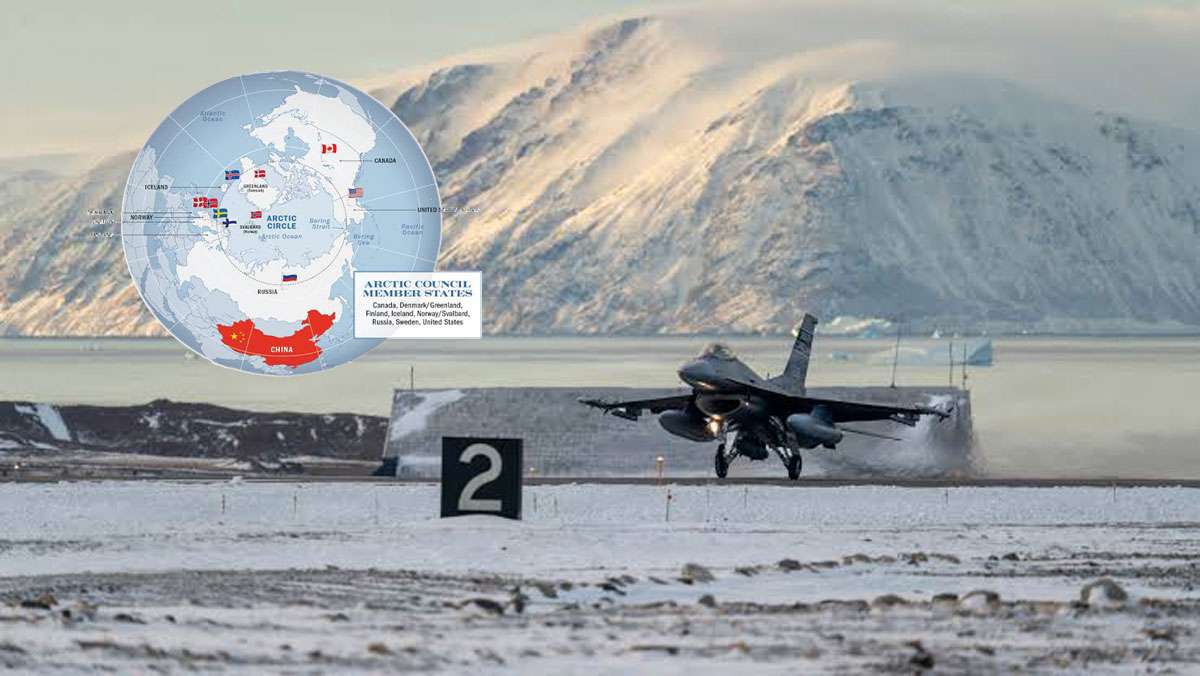
Arctic Security Threats – Polar Region Nations Unite And Boost Countermeasures
Views: 210Deepening cooperation in law, scientific research and marine technology in the Arctic were highlights of a 2019 pact between China and Finland The relationship, as it pertains to the polar region, has since cooled. The nations’ 2025-2029 Joint Action Plan does not mention the Arctic. When Finnish President Alexander Stubb visited Beijing in October 2024, mutual praise flowed at formal gatherings. But down-to-business meetings centered on Russia’s war with Ukraine and Beijing’s thinly veiled support of Moscow, a scenario that concerns Helsinki. Leaders ultimately approved measures on relatively benign issues such as trade, the environment and education. Sino-Finnish Arctic...
Heresy Financial: Why America’s Long-Term Debt is Getting Harder to Sell
Views: 168The foundation of the global financial system is currently facing a structural challenge that few anticipated would arrive with such velocity For decades, United States Treasury bonds were considered the most stable assets in the world, serving as the benchmark for virtually all other forms of credit. However, a recent analysis of the long-term Treasury market suggests that this stability is fracturing. We are witnessing a phenomenon known as a “bidless” market, where the traditional appetite for long-duration government debt has vanished, leaving yields to climb at an alarming rate. This shift is not merely a technical adjustment within...